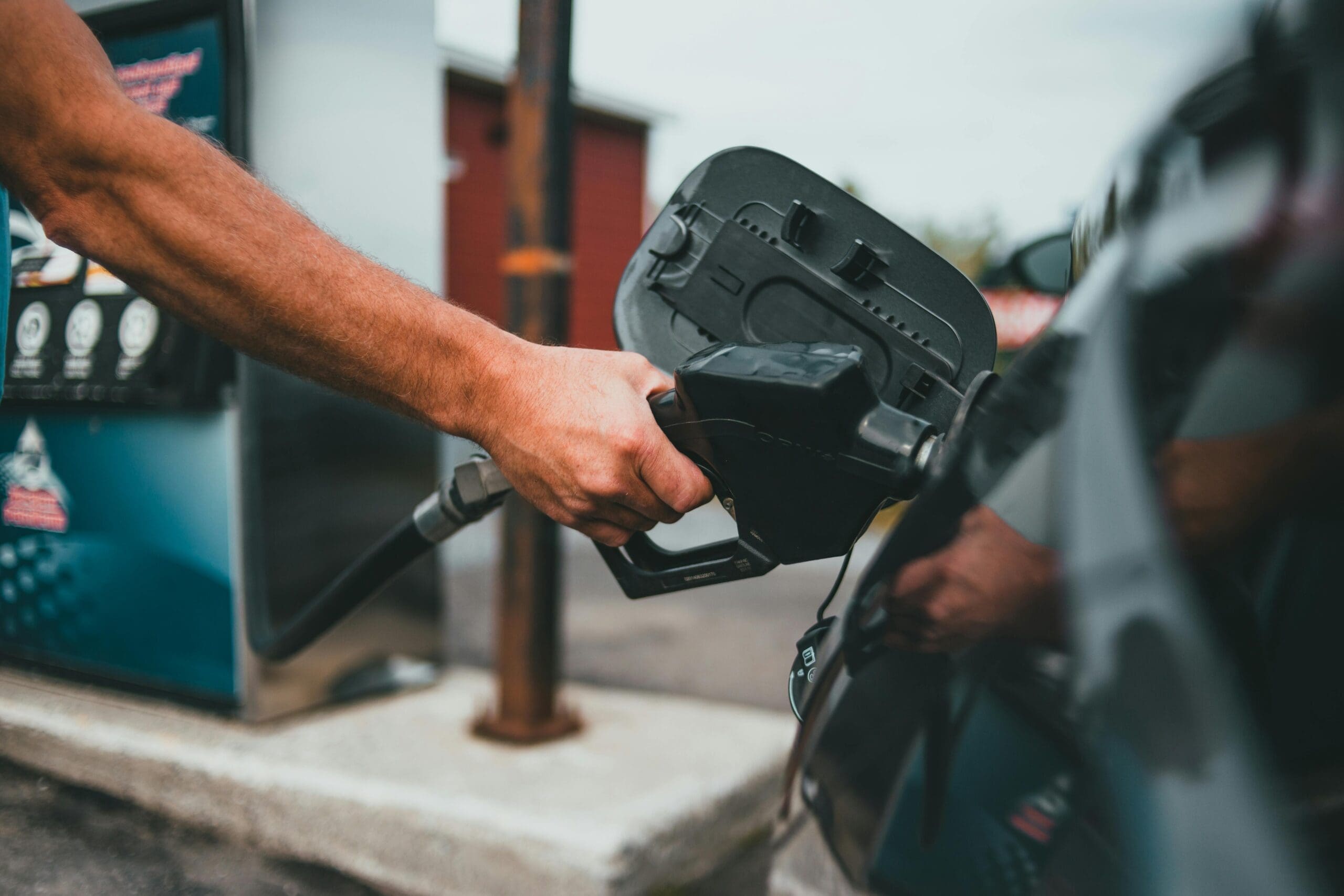
The long-anticipated fuel-price hike, driven by the US and Israel’s war against Iran, reached Mzansi this week. It has left consumers and businesses reeling, with many people saying they simply cannot absorb the cost.
After weeks of anxiety and speculation, on Tuesday the Department of Mineral and Petroleum Resources finally let us know the damage to our wallets.
Both grades of petrol went up by R3.06 a litre, with Diesel climbing by R7.37 a litre for the 0.05% sulphur grade and R7.51 a litre for the 0.005% grade.
Yikes! The increase took effect on Wednesday, 1 April, but we’re sorry to say it wasn’t an April Fool’s joke.
The hefty increase is bad enough, but it could’ve been even worse… The government is temporarily reducing the general fuel levy – by R3 a litre – until 5 May. Although this softened the blow, motorists and businesses say the hike is still too steep.
Optimism nipped in the bud
Before the outbreak of the US-Israel war on Iran in late February, South African businesses and residents had begun to express cautious optimism about an economic turnaround after years of stagnant growth and persistent inflation.
Those green shoots, such as a more stable electricity and logistics sector, and S&P‘s credit-rating upgrade, have now been offset by the fuel prices, according to economists.
“The tailwinds facing the South Africa economy late last year and into the beginning of this year have now turned into headwinds,” said Momentum chief economist, Sanisha Packirisamy.
Consumers feel the squeeze
Nazelee Ketley, a single mother of two from Pietermaritzburg, said the price hike will change the way she runs her household, straining her already stretched salary.
“The ripple effect will be felt in almost every aspect of my life, from how much I can put in my trolley to sacrificing recreational activities,” Ketley said.
Another Pietermaritzburg resident, Moeketsi Mamane, said the hike would put a significant strain on his monthly budget, particularly given the upcoming holidays.
Mamane has planned to travel to the Free State to spend the Easter weekend with his family. “While I thought of cancelling, I really miss my mum and siblings, so I just have to pay up,” he said.
Patrick van Zijl, also from Pietermaritzburg, said he and his girlfriend usually spend weekends attending arts and music events or visiting family in Harburg and Greytown, but will now limit travel.
“I think we’ll only visit family if we’ve taken time off, as spending so much on fuel for just one night or a few hours doesn’t make financial sense,” he said.
Pain at the pumps likely to continue
The Department of Mineral and Petroleum Resources is engaging with various stakeholders to diversify fuel-supply chains and develop more domestic refineries. However, these measures are unlikely to yield results in the short term, meaning South Africa will remain exposed to global oil shocks.
Packirisamy said the fuel hike will have a sizable impact on industries and consumers.
She noted transport costs are a key input for industries and that the steep rise in fuel prices will put pressure on their bottom line. “Some industries with bigger margins might be able to take the hit, but those with thinner margins will be forced to pass on the increase to consumers,” she said.
Pakrisamy added that the economic recovery outlook has now been eroded as the US-Israel war with Iran has made a more accommodating interest-rate environment likely to turn cautious.
Alternative take
PSG Financial Services chief economist Johann Els was more optimistic about South Africa’s ability to weather the storm.
He said recent green shoots have made the country better equipped to protect the economy against shocks, adding that, when the Iran war ends, prices will quickly return to normal.
Els also noted that the potentially temporary nature of the surge in the fuel price could result in businesses absorbing additional costs and protecting the consumers. “Rising fuel prices do not always mean higher prices because South African businesses are increasingly looking to be more competitive,” he said.
Still, both Els and Packirisamy noted fuel prices will fall only when the Strait of Hormuz – a narrow waterway through which 20% of the world’s oil passes – is safe for shipping again. Iran has blocked the strait since the onset of the war and it’s anyone’s guess as to when safe passage will be guaranteed again.
Cost to industry
Although Els sanguine about the impact the fuel-price hike will have on consumers, he said industries such as agriculture and logistics have been dealt a significant blow.
For farmers, the war in Iran is a double whammy, because, as well as the fuel hike, they will have to pay higher prices for fertiliser. About one-third of the world’s seaborne fertiliser passes through the Strait of Hormuz. Similar to the oil situation, this is causing higher global prices.
Meanwhile, a freight and logistics operator, who asked to remain anonymous, said his core service – moving containers from the Durban port to Johannesburg and Cape Town – will become significantly more expensive, because many of his trucks run on diesel
“This increase means that I will be paying more than R4,130 for a trip to and from Johannesburg,” he said.
The businessman said the temporary reduction in the fuel levy will help him when he goes to fill up his personal vehicle, but doesn’t make much difference to the cost of filling up one of his trucks, which have 550-litre tanks. “In addition to passing this cost on to those who pay for my services, I will, unfortunately, have to plan to start retrenching,” he said.
He added that the more than R7 hike for diesel comes on top of increases to toll fees and wages, which rose in March, as mandated by the logistics industry’s bargaining council. “I was prepared to absorb those costs or charge only a little more, but now I have to take drastic action to protect my margins,” he said.