The Nedbank Cup has taken an unexpected turn and, for once, South African football finds itself without its usual powerhouses.
It came as a shock to most football lovers when the Big Three – Mamelodi Sundowns, Kaizer Chiefs and Orlando Pirates – were all knocked out early in the competition. This year marks the first time since 2009 that none of the Big Three have reached the quarter-finals of the Nedbank Cup, creating one of the most open tournaments in recent history.
The absence of the Big Three, especially in the final stages of the competition, usually leads to a decline in interest because these are the clubs that keep fans engaged throughout the tournament. Without them, the energy can feel noticeably lower.
What is the Nedbank Cup?
This competition is South Africa’s version of England’s world-famous FA Cup, in which teams from different levels of football battle it out in a knockout format for one trophy. The local competition includes 16 teams from the Premier Division, eight teams from the National First Division and eight teams from Safa’s lower leagues.
The Nedbank Cup as we know it today has been running since 2008, making this year’s edition the 19th in its current format. It was first played in 1971 as the Life Challenge Cup, before changing names several times over the years. Its previous incarnations include the Benson & Hedges Trophy, the Mainstay Cup, and the Bob Save Super Bowl. There were even seasons when the competition didn’t take place, including in 1997 and 2002. In 2003, Absa took over as sponsor, before Nedbank stepped in from 2008 to date.
The Big Three’s dominance
The Big Three went out early in the 2026 Nedbank Cup, with Chiefs losing to Stellenbosch FC in the round of 32. Meanwhile, Casric Stars and TS Galaxy upset Pirates and Sundowns, respectively, in the last 16.
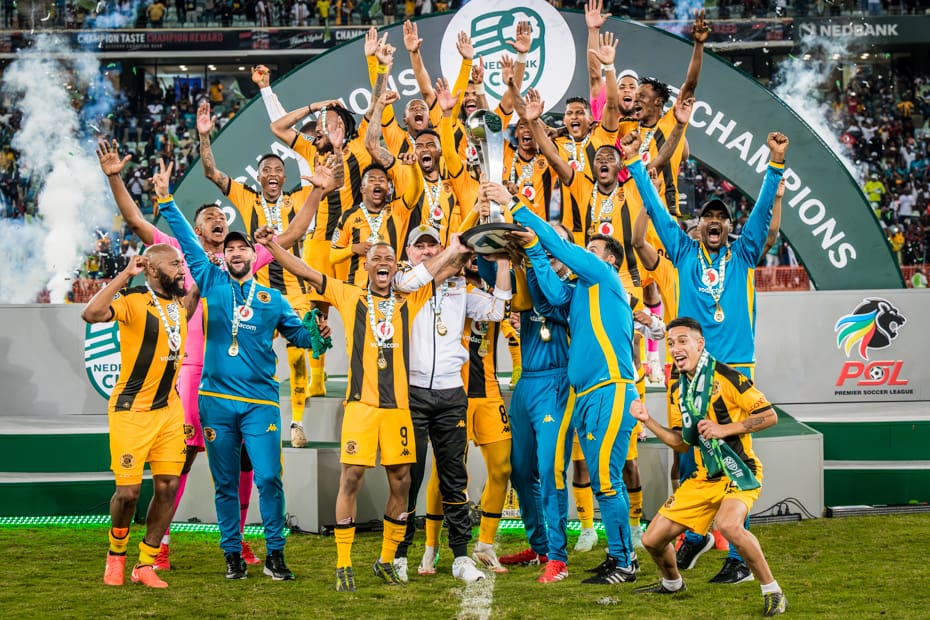
🔶 Kaizer Chiefs. The Glamour Boys are the most successful club in the history of the knockout tournament, with 14 titles to their name. Their most recent triumph came in the 2024-25 season, when they edged their Soweto rivals, Orlando Pirates, 2-1 in the final. However, their dominance was built in the early years of the competition. Between the 1970s and 1980s, the Chiefs won multiple trophies. In fact, they won nine of the first 17 editions of the tournament, a clear sign of their early control. Since the Nedbank Cup was held under its current name in 2008, Chiefs have won the tournament only twice.
🔶 Orlando Pirates. The Mighty Buccaneers are the second most successful club in the history of the knockout tournament, with 10 trophy wins to their name. They made history in the 1970s with a hat-trick of wins from 1973 to 1975, including victories over Zulu Royals (now AmaZulu) and Kaizer Chiefs. After some lean years, the Pirates returned to form in the modern era, winning in 2011 and 2014, as well as back-to-back titles in 2023 and 2024. They have 10 wins from 19 final appearances, a 53% success rate, second only to Kaizer Chiefs.
🔶 Mamelodi Sundowns. Despite historically finding the knockout tournament a tougher challenge than other formats, the Tshwane Giants have stepped up to cement the Big Three’s enduring influence. They have six knockout trophies to their name, including four wins since the competition was rebranded in 2008, with their most recent triumph in 2022.
Who’s left in the competition?
We are now at the semi-final stage of the Nedbank Cup, with a mix of teams from different leagues. Two teams come from the second division – Milford FC and Casric Stars – while TS Galaxy and Durban City represent the top tier.
This year marks only the third time since 2008 that two second-tier sides have reached the semi-finals, a clear sign of how open the competition has become. City, Casric Stars, and Milford are all making their first-ever appearances at this stage.
Meanwhile, Galaxy returns to the last four, having famously won the competition in 2019 after beating Chiefs, becoming the first lower-division team to lift the trophy. That victory showed Galaxy’s ability in knockout football and could see them enter the semi-finals as favourites.
But cup football is unpredictable. Galaxy will play Milford in the semi-final, having already shown they can compete with stronger opposition, proving they are more than just underdogs. And with none of the Big Three left in the tournament, the pressure and the opportunity now shift to these smaller clubs.
Meanwhile, City head into their semi-final against Casric Stars with a unique path to the last four. City have relied heavily on penalty shootouts, advancing through multiple rounds after draws. Their run highlights their resilience, but also raises questions about whether they can get the job done within 90 minutes.
Their opponents, Casric Stars, have taken a more direct route. They have already knocked out top-flight sides, including Orlando Pirates and AmaZulu, proving they are capable of competing against stronger opposition.
With Durban City’s ability to grind out results and Casric Stars’ giant-killing momentum, this clash is difficult to predict. For all four teams, this is more than just a semi-final. It’s a chance to make history.
Sponsorship and fan impact
The question is whether the absence of Chiefs, Pirates, and Sundowns will affect fan interest and the business side of the Nedbank Cup. These three clubs usually have the largest fan bases in the country. During the Soweto Derby, Chiefs and Pirates easily draw crowds of up to 90,000 at Soccer City Stadium.
For many Big Three fans, their early exit is disappointing. For the organisers, the tournament is throwing up an unexpected challenge. Without the major Gauteng clubs, they need to work harder to keep fans interested and make sure the Nedbank Cup still attracts sponsors.
But there’s also another way to view this moment. Even with the Big Three gone, there’s a positive side: the success of smaller, lesser-known teams helps to grow football in South Africa. Fans are enjoying the unpredictability and excitement, following underdogs, and cheering for teams they might normally overlook.
The Nedbank Cup’s executive head of marketing strategy, Tebogo Motsepe, certainly thinks so. He told SABC Sport that the essence of the cup was pitting PSL sides against teams from lower leagues. “You are always going to have that situation whereby it’s a David versus Goliath – it’s happened before,” he said. “People forget that we’ve had finals that didn’t include any of the big teams and they were just as exciting and just as enthralling.”
The semi-finals kick off at Chatsworth Stadium in KwaZulu-Natal on 4 April, with Durban City facing Casric Stars.
The action continues on 5 April, at Solomon Mahlangu Stadium in Mpumalanga, where TS Galaxy will take on Milford FC.