“I don’t actually follow the news… I just don’t understand it or it’s too depressing.”
It’s a quiet admission, often said half-jokingly, sometimes with embarrassment, but one that points to a growing shift in how people engage with information.
Women are increasingly switching off the news. And as South Africa moves toward the 2026 local government elections, that disengagement raises urgent questions about participation, accountability and who is included in the public conversation.
- Scroll to the bottom for all the pics from the event.
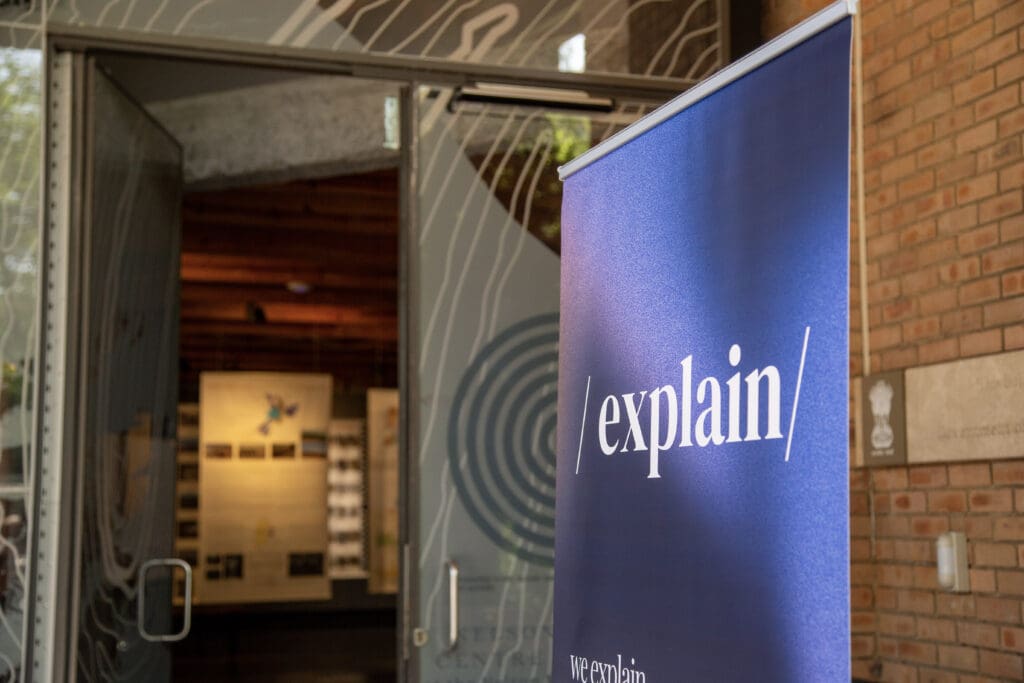
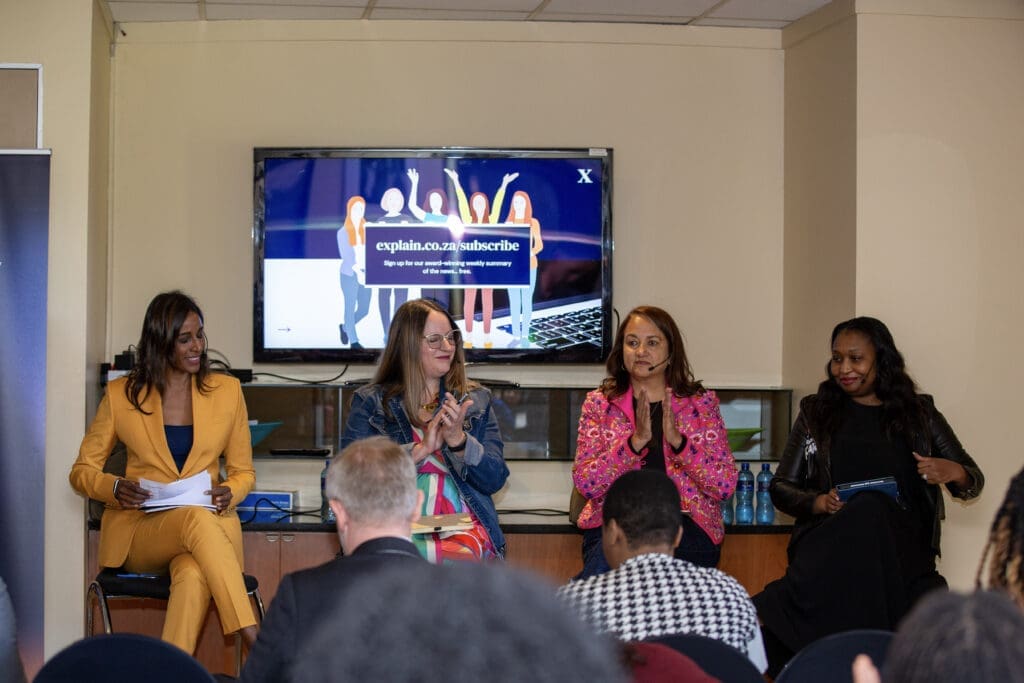
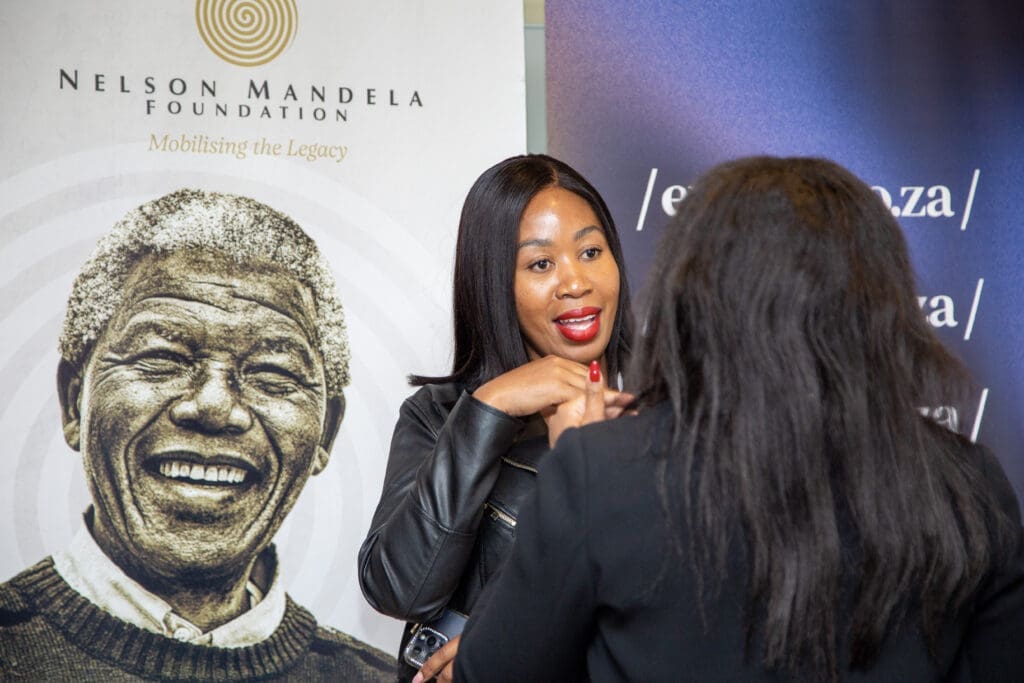
These tensions were at the centre of a discussion hosted by Explain News at the Nelson Mandela Foundation on Tuesday, 10 March 2026, in Johannesburg. We brought together journalists, editors and media leaders to unpack what happens when audiences, particularly women, opt out, in partnership with the Canadian High Commission in South Africa and the Nelson Mandela Foundation.
International Women’s Month!
— Thando Maeko (@HelloThando) March 10, 2026
Fascinating conversation about the future of news, accountability and public trust and the role which women play in news productions and consumption
Some of the country’s leading journalists and media voices are also exploring why women are… pic.twitter.com/Jv7YXqNJ1j
News is becoming harder to engage with
Opening the event, Verashni Pillay, founder of Explain News, reflected on a pattern she had noticed among her peers — people quietly opting out of the news.
“I could not understand why so many of my friends… would sometimes confess to me in a little bit of an embarrassed voice, ‘you know, I don’t actually follow the news… I just don’t understand it or it’s too depressing.’”
But this goes beyond consumption habits. It was about who feels able to participate in public discourse.
“I was very struck at how silent women were at your typical water cooler conversations in the office and how they exempted themselves from the public square.”
What she was picking up wasn’t just a shift in habits. It pointed to something deeper: who feels comfortable taking part in public conversations, and who doesn’t.
That sense of disengagement is something newsrooms are increasingly aware of, said Nicki Gules, Head of News at News24, during the panel discussion.
“We’ve got to give people hope,” Gules said, reflecting on how news fatigue is shaping audience behaviour.
She added that newsrooms are experimenting with new approaches to storytelling:
“It’s news, but it’s good news… we have to tell what’s going on, not only what’s going wrong.”
A disconnect between news and lived realities
A recurring theme throughout the discussion was relevance, specifically, the gap between what newsrooms prioritise and what people experience in their daily lives.
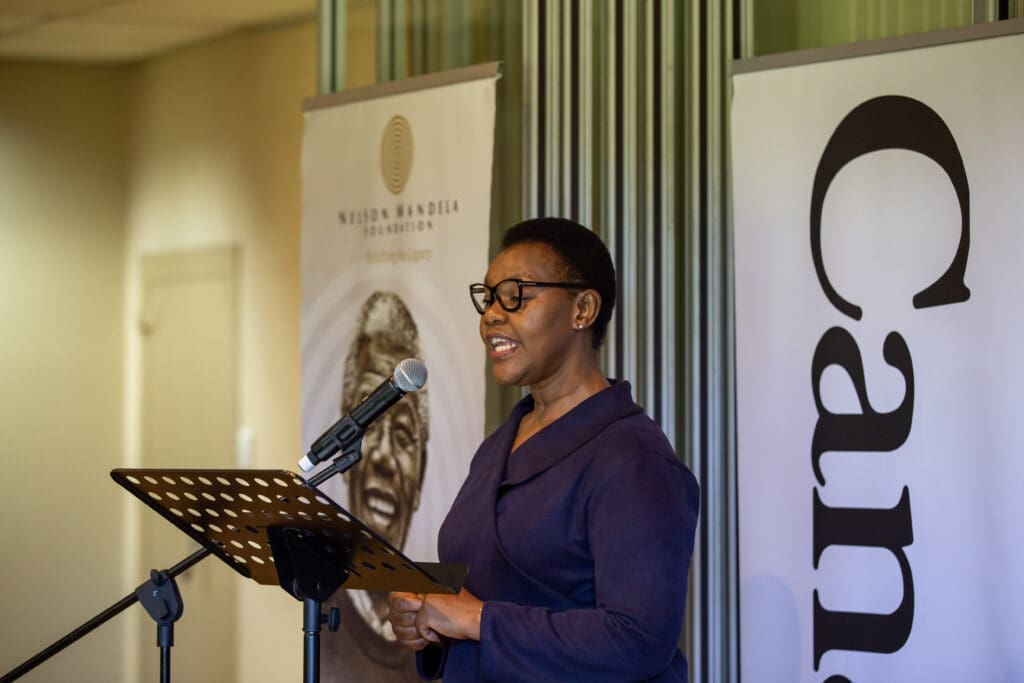
In her keynote address, Phathiswa Magopeni, Executive Director of the Press Council of South Africa, highlighted how issues central to many women’s lives are often underreported.
“Topics that influence women’s everyday lives, such as access to water, public transport and safety, healthcare, housing, community safety and childcare receive less sustained coverage.”
When journalism does connect with lived experience, however, audiences respond.
Ferial Haffajee, Associate Editor at Daily Maverick, reflected on this in relation to her reporting on local issues:
“When you’re touching the everyday lives of people like that, they read… because it was touching their lives.”
This disconnect helps explain why some audiences disengage; not because they are uninterested, but because they do not see their realities reflected in the news agenda.
[Women in Media Event] CFE is attending an event convened by Explain and the High Commissioner of Canada, hosted at the Nelson Mandela Foundation, about the “gendered information divide” in the context of the 2026 elections. @NelsonMandela @PhathiswaPM @verashni pic.twitter.com/xGseVAesdq
— Campaign For Free Expression (@_FreeExpression) March 10, 2026
Representation shapes what gets told
The discussion also pointed to deeper structural issues within the media industry.
Magopeni warned that the underrepresentation of women in the media ecosystem is not just an industry concern, but a democratic one.
“The crisis of representation and participation of women in the media is real. It is not just a gender issue, but a democracy problem.”
She noted that globally, women are less visible in news coverage and leadership, which shapes both the framing of stories and the voices included in public debate.
During the panel, Makhosazana “Khosi” Zwane-Siguqa, Managing Director of Frontpage Media House, reflected on how these dynamics have played out in newsrooms, where women have historically had to navigate structural barriers and carve out space within the industry.
Disengagement has consequences for democracy
Across the discussion, speakers returned to a central concern: what happens when large parts of the population disengage from news altogether?
Magopeni framed this in stark terms:
“The strength of any democracy rests on three pillars: credible information, informed participation and informed accountability.”
When those pillars weaken, so does democratic oversight.
“When women disengage from news, it often leads to disengagement from public life, policy debates, democratic scrutiny and accountability.”
She also pointed to the scale of the issue:
“Research shows that about four out of ten people say they sometimes or often avoid the news, and women are overrepresented among those that withdraw.”
These dynamics are particularly significant at the local government level, where decisions about basic services directly affect daily life.
Information, and how we engage with it, is changing
In his opening remarks, H.E. James Christoff, Canadian High Commissioner to South Africa, placed the discussion in a broader democratic context.
“When women feel that the news does not reflect their realities, priorities or experiences, the consequences extend beyond the media landscape… They affect participation, accountability, and ultimately the strength of the democratic institutions themselves.”
He added that democracy is not only shaped by formal institutions, but also by how people interact with information in their everyday lives.
“Democracy is also shaped by something far more personal and immediate — the relationship between citizens and the information they rely on to understand the world around them.”
Audience members echoed this shift, raising questions about the growing role of social media, influencers and alternative news sources in shaping how people access information.
Who was in the room
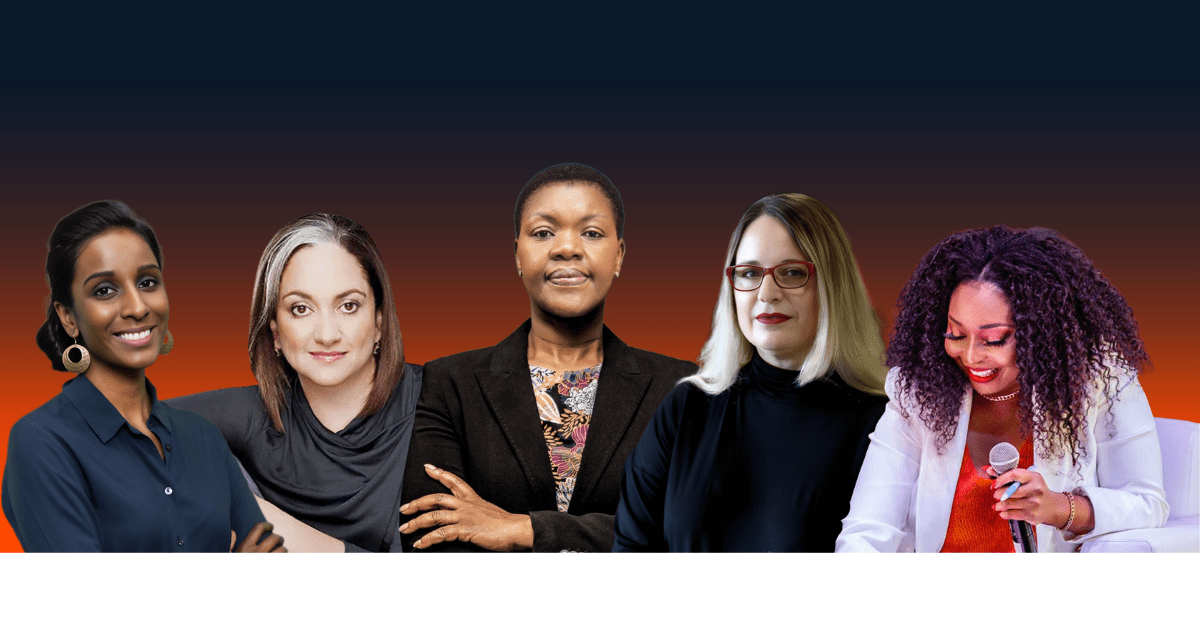
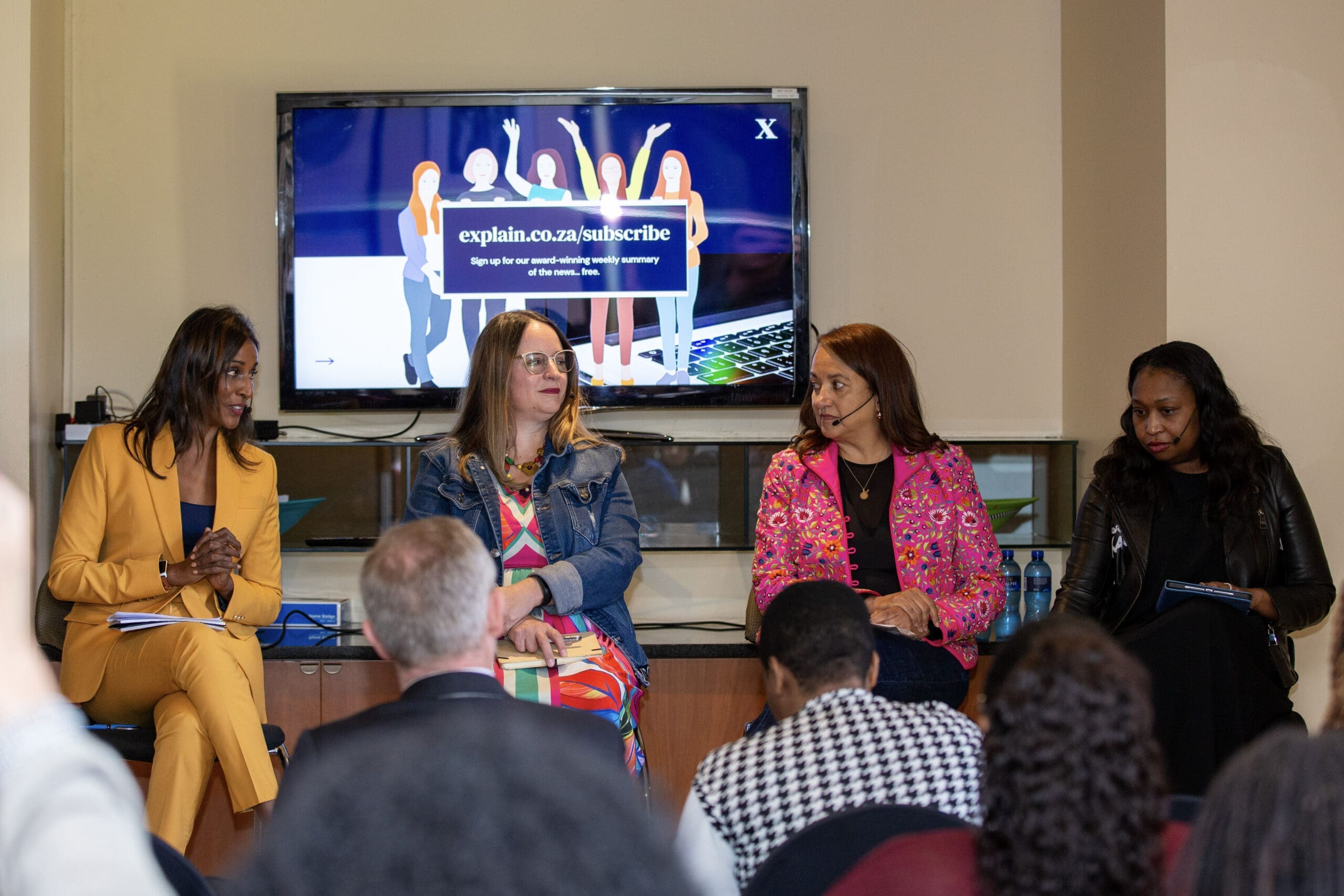
The panel discussion, moderated by Verashni Pillay, featured:
- Ferial Haffajee, Associate Editor at Daily Maverick
- Nicki Gules, Head of News at News24
- Makhosazana “Khosi” Zwane-Siguqa, Managing Director of Frontpage Media House and former editor of True Love, Drum, and Move! Magazine.
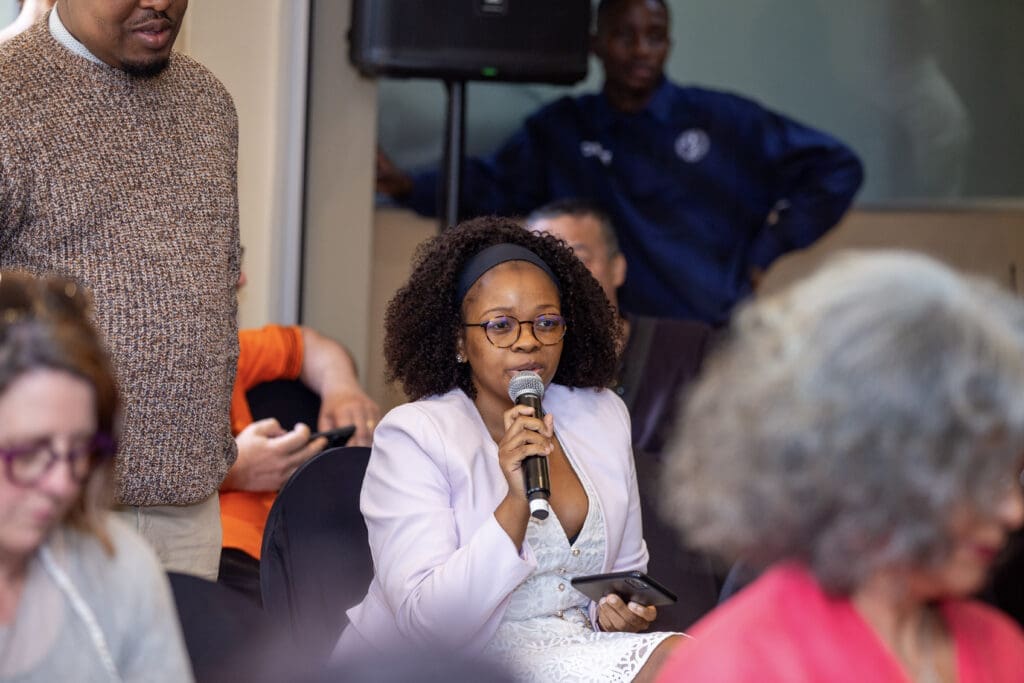
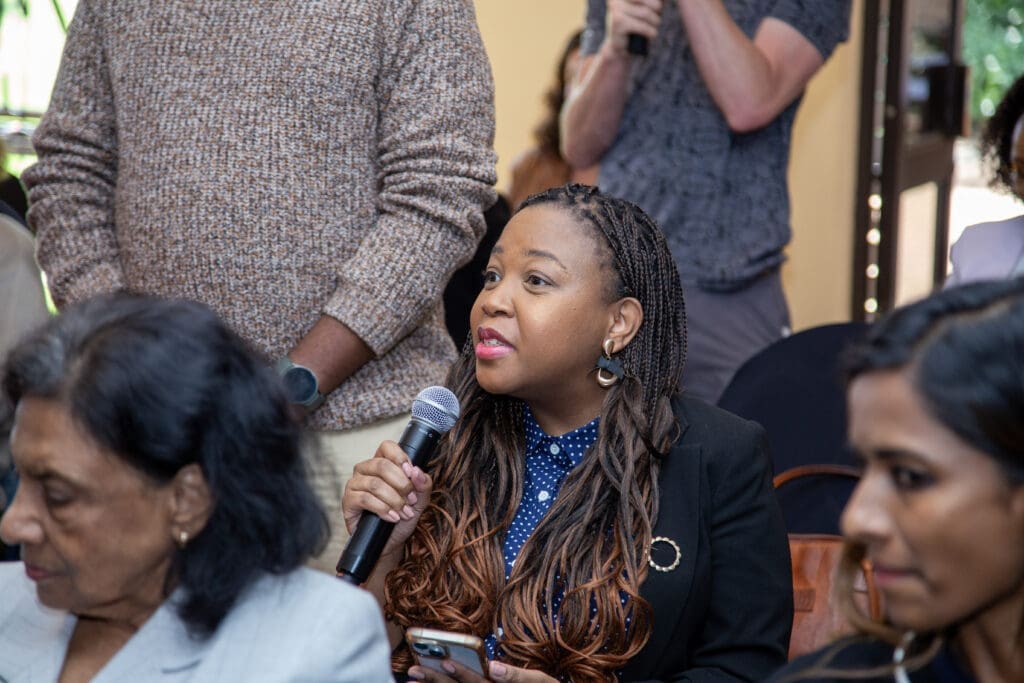
The event concluded with an interactive Q&A session, where participants engaged on issues including media trust, misinformation, newsroom responsibility and the future of journalism.
The question that remains
By the end of the discussion, one question lingered, one that goes beyond journalism and into the core of democratic life.
As Magopeni put it:
“If democracy depends on informed citizens, what occurs when millions of women quietly stop paying attention?”
As South Africa moves closer to the 2026 elections, the answer may shape not only the media landscape but also the health of its democracy.
Check out the pics from the event below and sign up for our weekly wrap of the news here, aimed at busy women. It’s conversational, solutions-oriented and to the point with no extra reading involved. We think you’ll love it.
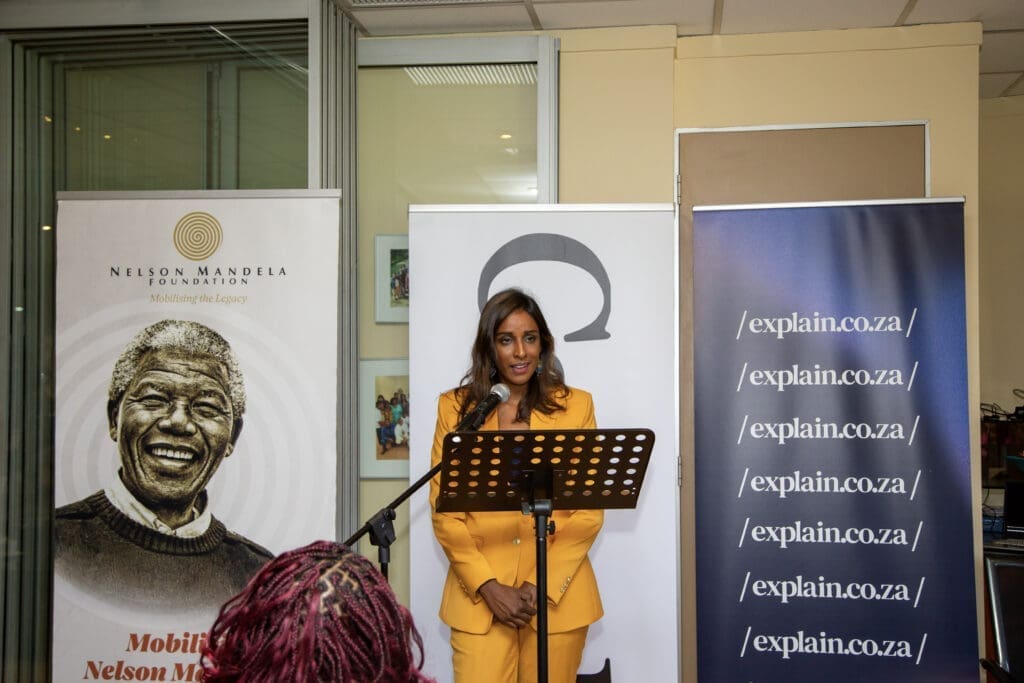
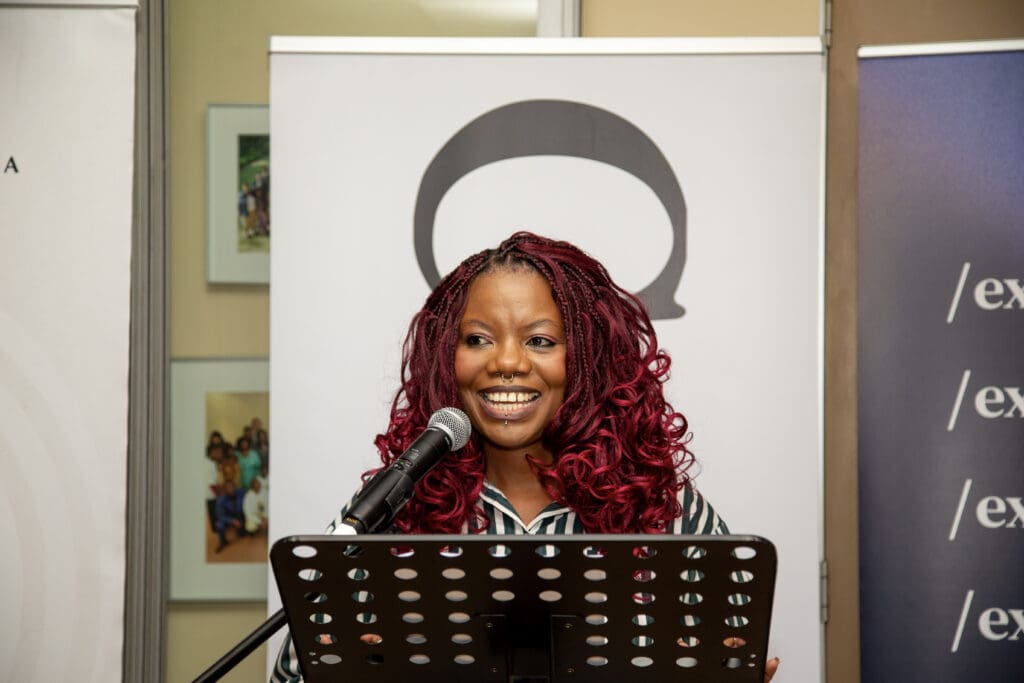
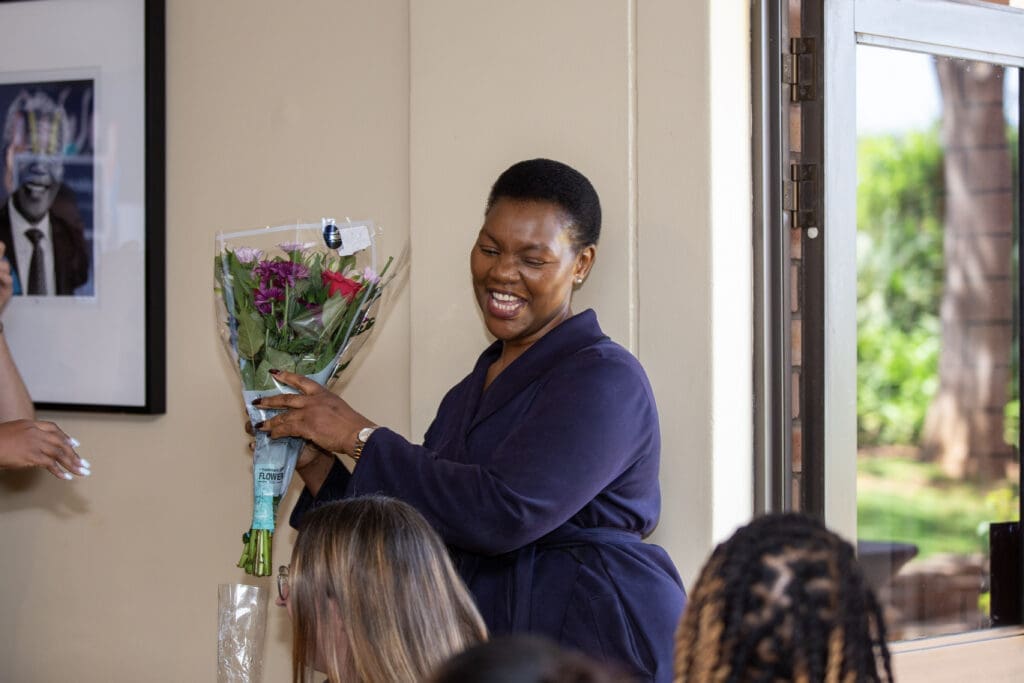
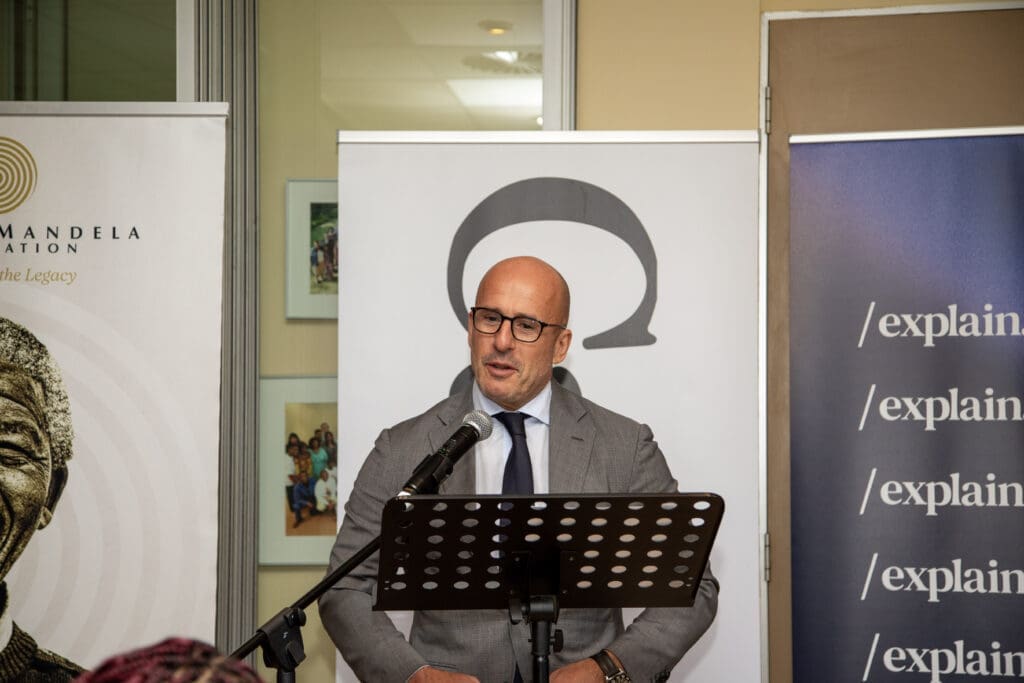
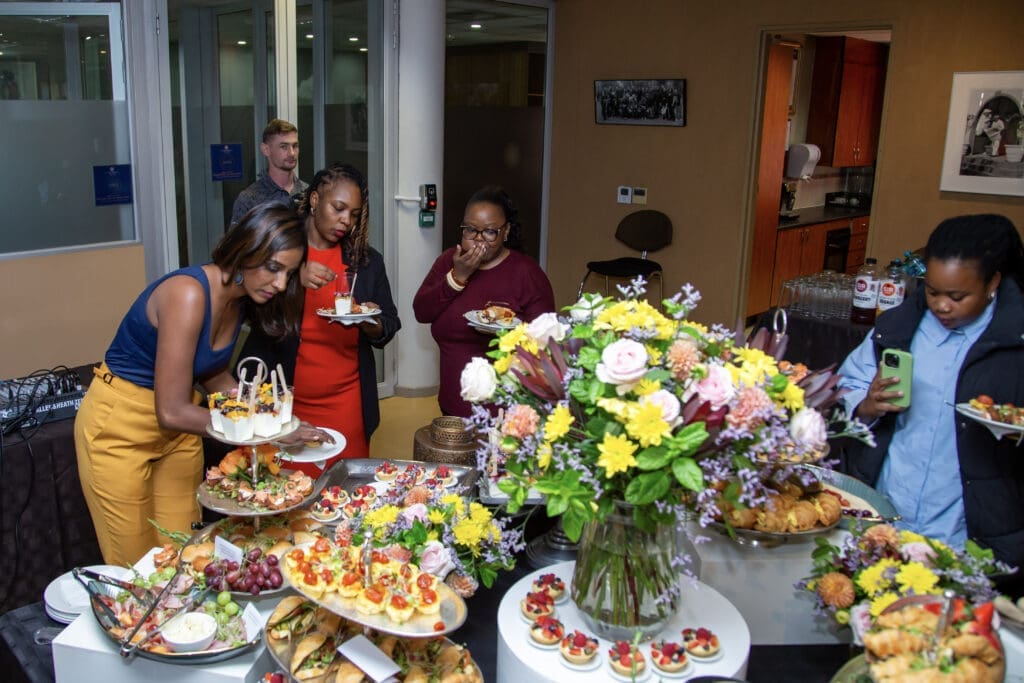
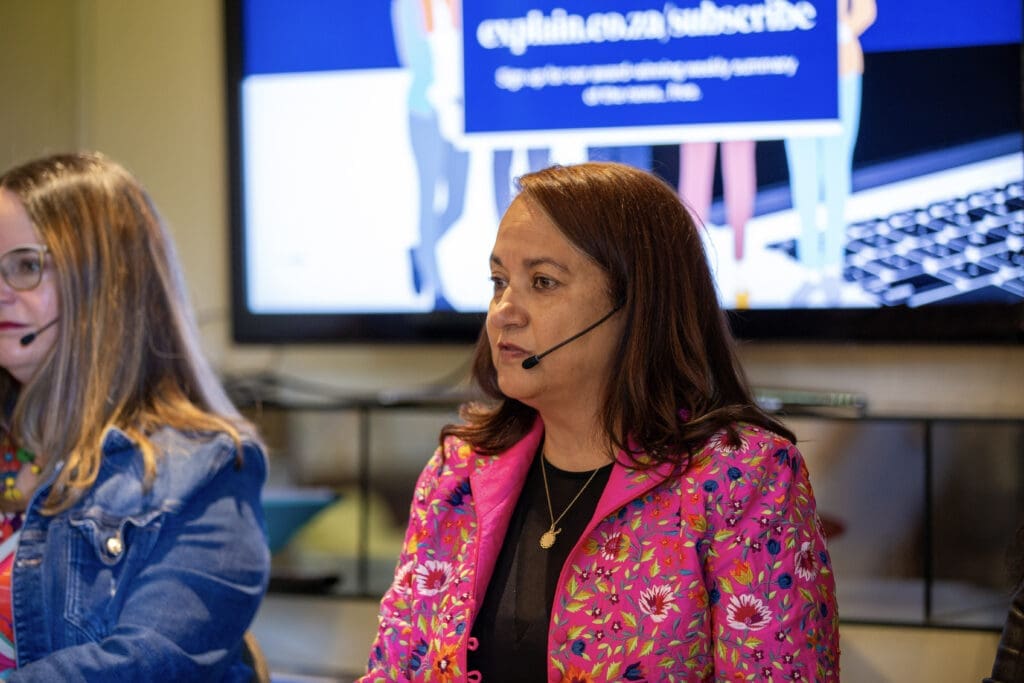
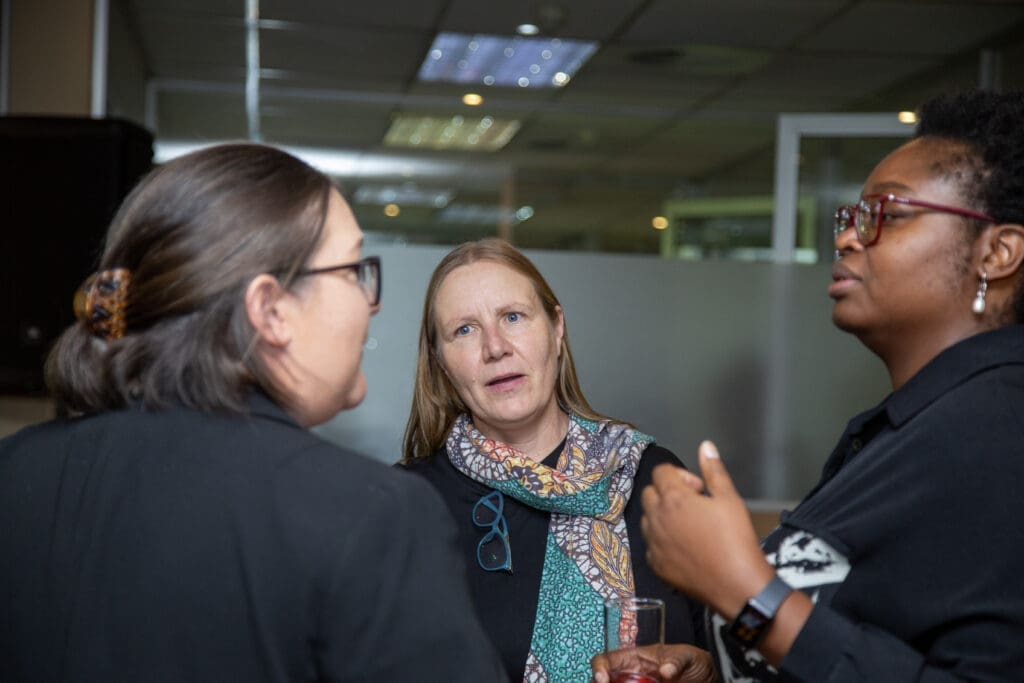
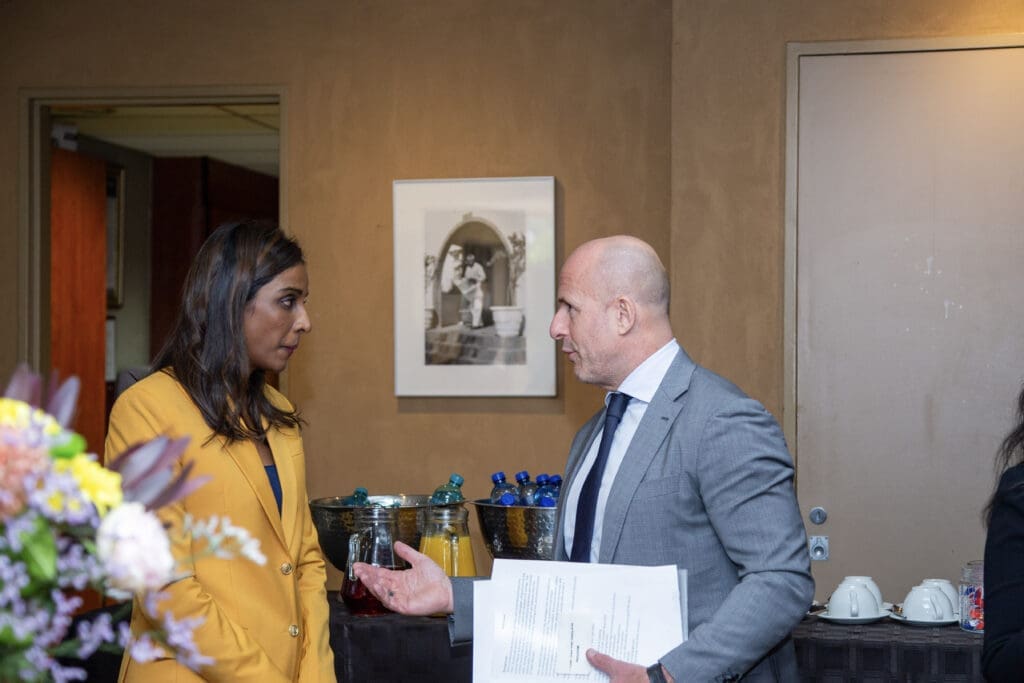
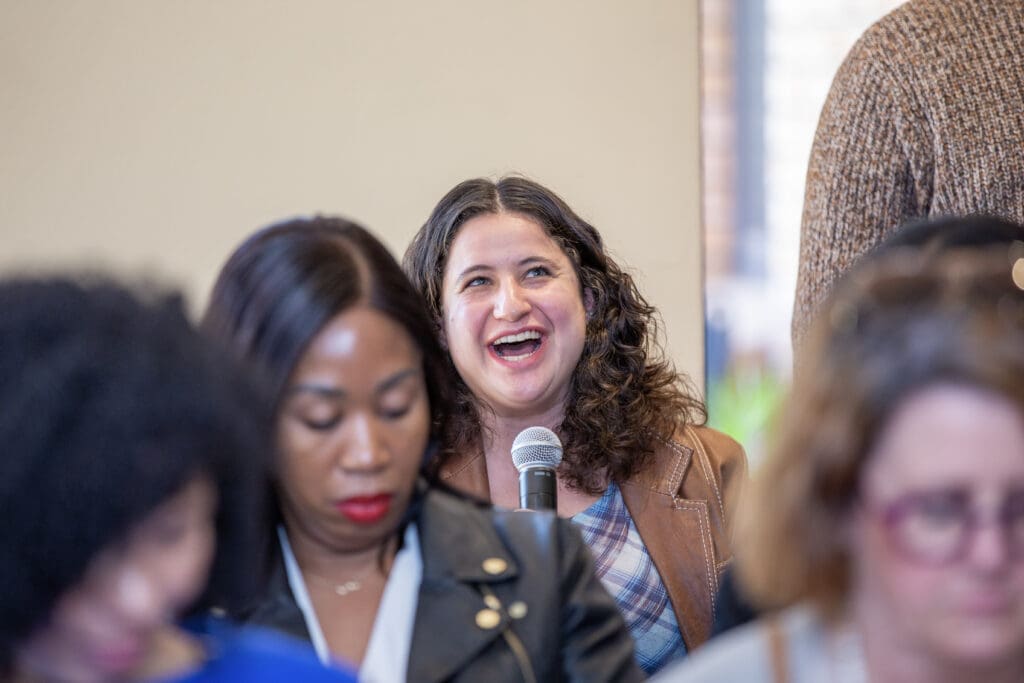
GALLERY: When Women Switch Off: News, Accountability and Local Power Ahead of the 2026 Elections
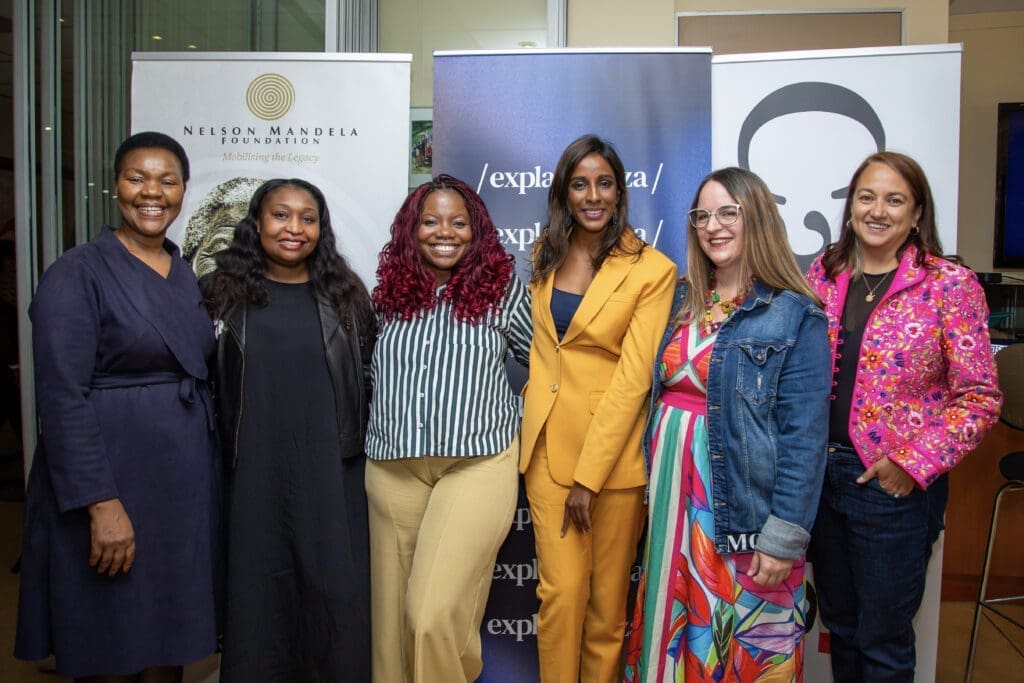
Find more photos here!