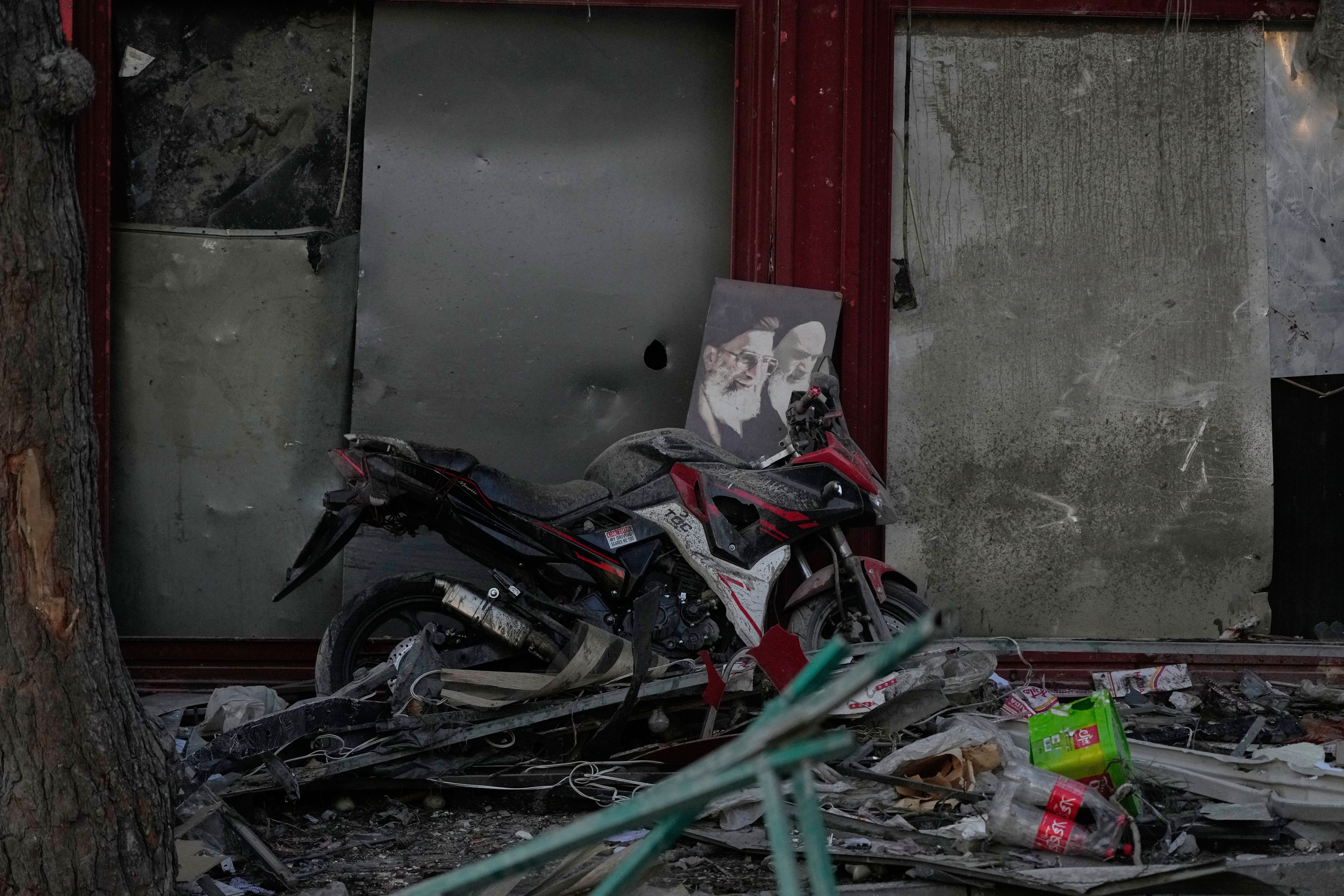
It’s been 10 days since the United States and Israel launched a war against Iran, which has spread rapidly across the region. Already, Lebanon has entered the fray, and Iran has attacked several Gulf states that host US military bases.
On Monday, US President Donald Trump told a press conference that “[The war] is going to be ended soon”, but undercut his own statement by adding, “If it starts up again they’ll be hit even harder.”
It’s pretty much anyone’s guess how long the conflict could last. One thing, though, is certain – the instability in the Middle East has huge implications for the global economy. And that has ramifications for all of us.
Here at the bottom of Africa, the war might be far away geographically, but its effects could soon be felt much closer to home, particularly at the petrol pump.
We unpack three ways in which the faraway war could affect ordinary South Africa
- Rising petrol prices
The global economy is tightly interconnected. The Middle East, in particular, plays a critical role in global oil supply, producing 20% of the world’s oil, and the conflict has already pushed global oil prices higher. Before the war began, the oil price was sitting at about $70 a barrel. It subsequently spiked to more than $100, even approaching the $120 range, before dropping back down to $90 – still significantly higher than its pre-war price.
Iran controls the Strait of Hormuz, a narrow waterway through which roughly a fifth of the world’s oil passes, making it one of the most strategically important energy routes on the planet. Since the onset of war, military threats, attacks on commercial vessels, and electronic interference have made shipping through the strait extremely risky. Insurance companies are refusing to insure ships on that route, and without insurance, banks in turn refuse to finance their cargo. Before the war, some 70 to 100 ships passed through the strait daily; today, maritime traffic on the route has all but disappeared.
South Africa imports 70% to 80% of its crude oil needs, making it highly sensitive to global oil-price shocks, which swiftly translate into higher fuel costs locally. In practical terms, that means international conflicts could end up affecting the price South Africans pay at the petrol pump within weeks.
Lobby group AfriForum has called on the government to consider reducing the fuel levy if global oil prices continue to climb. AfriForum’s head of public relations, Ernst van Zyl, says this could hit consumers hard. “The surge in petrol prices will heavily impact the economy and consumers, especially the poor,” van Zyl said.
@explain.co.za What does a Middle East war have to do with South Africans? 👀 More than you might think. Do you think global conflicts actually affect life in SA? #explainsaywhat #southafricatiktok🇿🇦🇿🇦 #NewsTok #PoliticsTok #WorldNews #MiddleEast #Iran #israeltiktok #USPolitics #OilPrices #PetrolPrice #Economy #GlobalPolitics #learnontiktok #didyouknow #Explainer #CurrentAffairs #SAnews #TikTokNews #fyp #foryoupage ♬ original sound – /explain/
- Inflation and economic pressure
Fuel-price increases rarely happen in isolation. When petrol becomes more expensive, so does transport, and it costs businesses more to move goods and supply products. These costs are often passed on to consumers.
In addition, the rand has fallen about 12% against the dollar since the war began, in response to uncertainty in international markets, further hitting the South African economy. “A combination of higher petrol prices and a weaker currency means imports become more expensive,” says economist and political analyst Iraj Abedian.
This combination of factors can lead to inflation, which affects interest rates, government borrowing costs, and economic growth.
According to Jakkie Cilliers, chairperson of the board and head of African Futures and Innovation at the Institute for Security Studies (ISS), the conflict comes at a difficult moment for South Africa’s economy.
“South Africa has been caught in a middle-income trap for several decades, compounded by corruption and poor governance,” Cilliers said. “Things started to turn around with the Government of National Unity and 2026 was promising modest growth. But the war involving Iran will negatively affect those prospects.”
Cilliers said rising fuel costs could push inflation higher and force the Reserve Bank to keep interest rates elevated. “Fuel prices affect nearly every sector of the economy,” he said.
- South Africa’s foreign policy dilemma
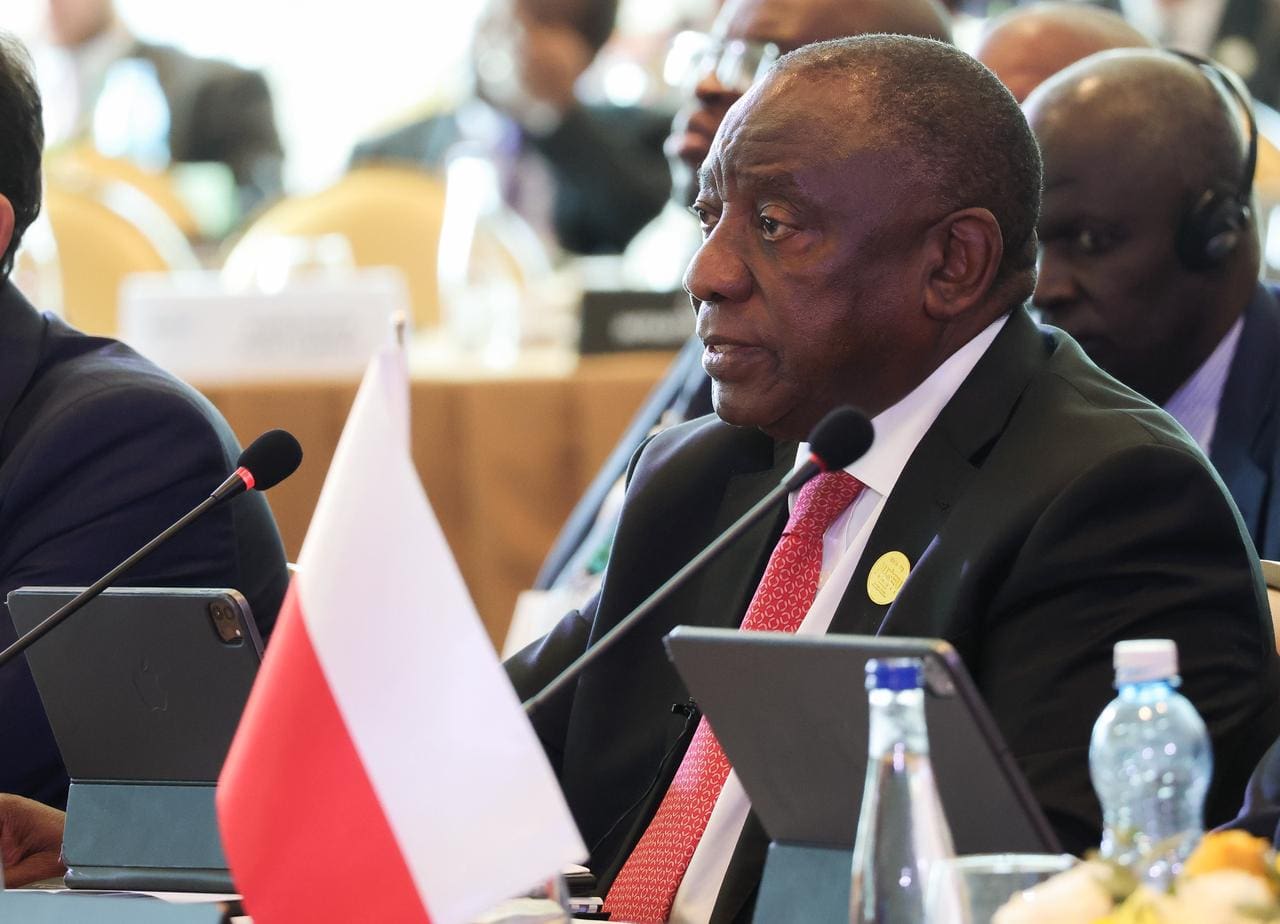
The South African government has repeatedly called for dialogue and diplomatic solutions to tensions in the Middle East, saying negotiations remain the best path to stability and offering to act as a mediator.
But the outbreak of war is throwing South Africa’s diplomatic positioning into sharp relief. Pretoria has historically maintained diplomatic relations with Iran, and both countries are part of the expanded Brics bloc. Some analysts argue this relationship may complicate South Africa’s diplomacy in the current Middle Eastern landscape.
The ISS’s Cillier added that, “South Africa nominally adheres to a non-aligned foreign policy but actual relations have been closer to Russia and Iran given the latter’s support for the anti-apartheid struggle.”
He mentioned that because SA is a BRICS+ member, an attack on one of the members will inevitably be condemned.
“Generally South Africa ascribes to non-interference in the internal affairs of countries, quite similar to the Chinese position, despite its belief and practice of democracy and a liberal, human rights framework”
Abedian, who was born in Iran, says South Africa’s position could limit Pretoria’s ability to act as a mediator. “A mediator needs credibility and trust among the warring parties. South Africa has unfortunately disqualified itself through wrong policies”
He also argues that perceived inconsistencies in foreign policy may affect South Africa’s international credibility.
South Africa has taken a strong legal stance against Israel at the International Court of Justice, but Abedian notes it has been quieter about human-rights concerns in Iran. In Abedian’s view: “If Ramaphosa had taken the ayatollahs to the International Court of Justice with the same determination, South Africa could say it was doing the right thing.”
Local consequences
For many South Africans, events in Iran may seem distant from daily life. But instability in a major energy-producing region can quickly ripple across global markets.
If the war continues for any length of time, the effects could appear locally through higher fuel prices, rising food costs, and pressure on the economy.
For now, economists say the key indicators to watch are global oil prices, the strength of the rand, and whether tensions in the Middle East continue to escalate.
If they do, South Africans will feel the consequences: not on the battlefield, but in the rising cost of fuel, food, and everyday goods.

Catherine White is an independent South African journalist and producer with experience reporting internationally. Her work focuses on investigative reporting, accountability journalism and explanatory storytelling that unpacks complex issues.