Johannesburg’s water crisis has officially moved from “mild inconvenience” to full-blown breaking point.
The once-vibrant city has been brought to its knees in general thanks to decades of mismanagement and political instability. But it’s the gradual and then sudden collapse of its water systems that’s grabbed everyone’s attention lately, with the local government elections just around the corner and the ANC-led management of the city under fire.
The worst-hit areas are Midrand in the north and the older western suburbs like Melville, Auckland Park and high-lying Brixton — where gravity is not your friend when water pressure drops. In nearby Selby, some residents have had intermittent or no water for nearly five months.
On Wednesday, Melville residents took to the streets, toyi-toying their frustration after almost three weeks without water. Midrand residents protested earlier this month. Across Gauteng, people are beyond gatvol.
So what is causing all this?
It is not just one thing. There’s ageing infrastructure and years of underinvestment. There’s high demand, which has led bulk supplier Rand Water to throttle supply to the City of Johannesburg (COJ). There have been power failures at pump stations. And recently, an unprotected strike by workers affiliated with the South African Municipal Workers Union that COJ said added further strain before it was called off.
In other words: a perfect storm, decades in the making.
Enter politics.
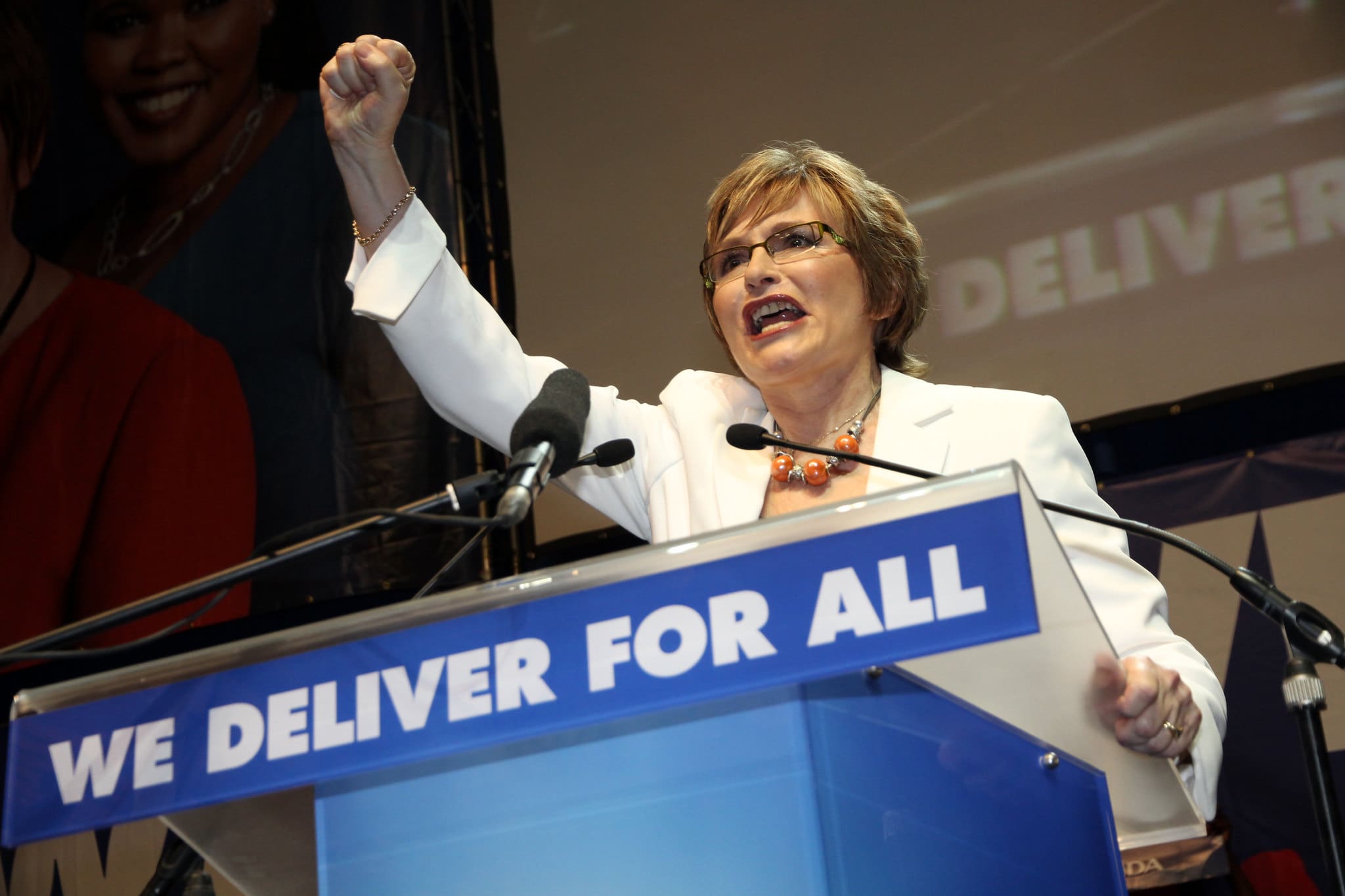
Helen Zille has seized the moment in her bid to become Joburg mayor, even filming a popular campaign video dipping her feet into a “dam” formed by burst pipes in Linbro Park. The symbolism writes itself: water where it should not be, and none where it should.
So what’s the way forward? On Wednesday, Gauteng Premier Panyaza Lesufi announced yet another task team – the third intervention in four years – aimed at stabilising Joburg’s water crisis.
Yet in 2025, the Johannesburg City Council already approved a comprehensive turnaround strategy for Johannesburg Water. It includes ring-fencing water revenue to fix infrastructure, improving revenue collection, expanding public-private partnerships and protecting funding for free basic services.
The question is not whether there is a plan… It is whether anyone can execute it.
Because residents are not asking for new committees or new slogans. They are asking for something much simpler: water when they turn the tap.