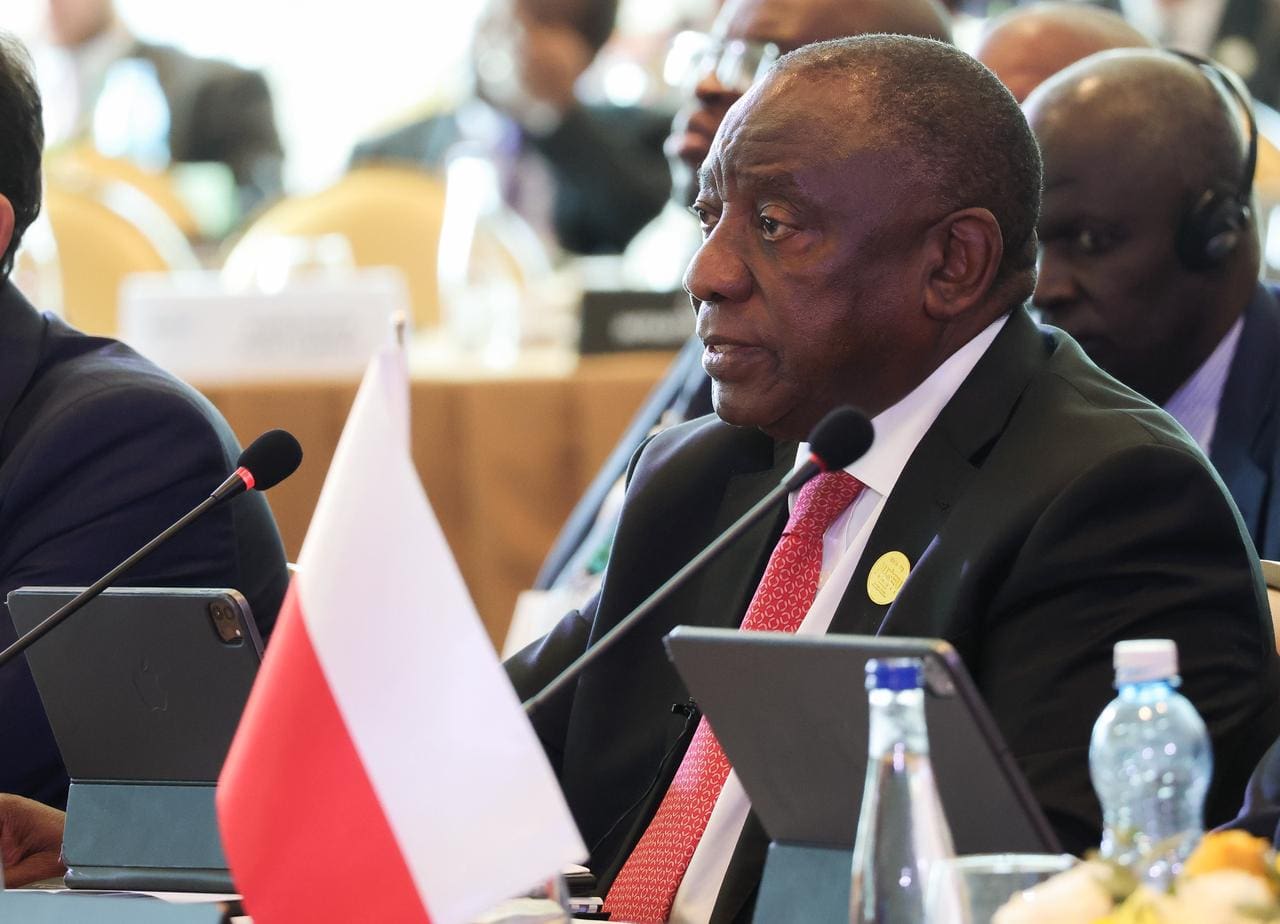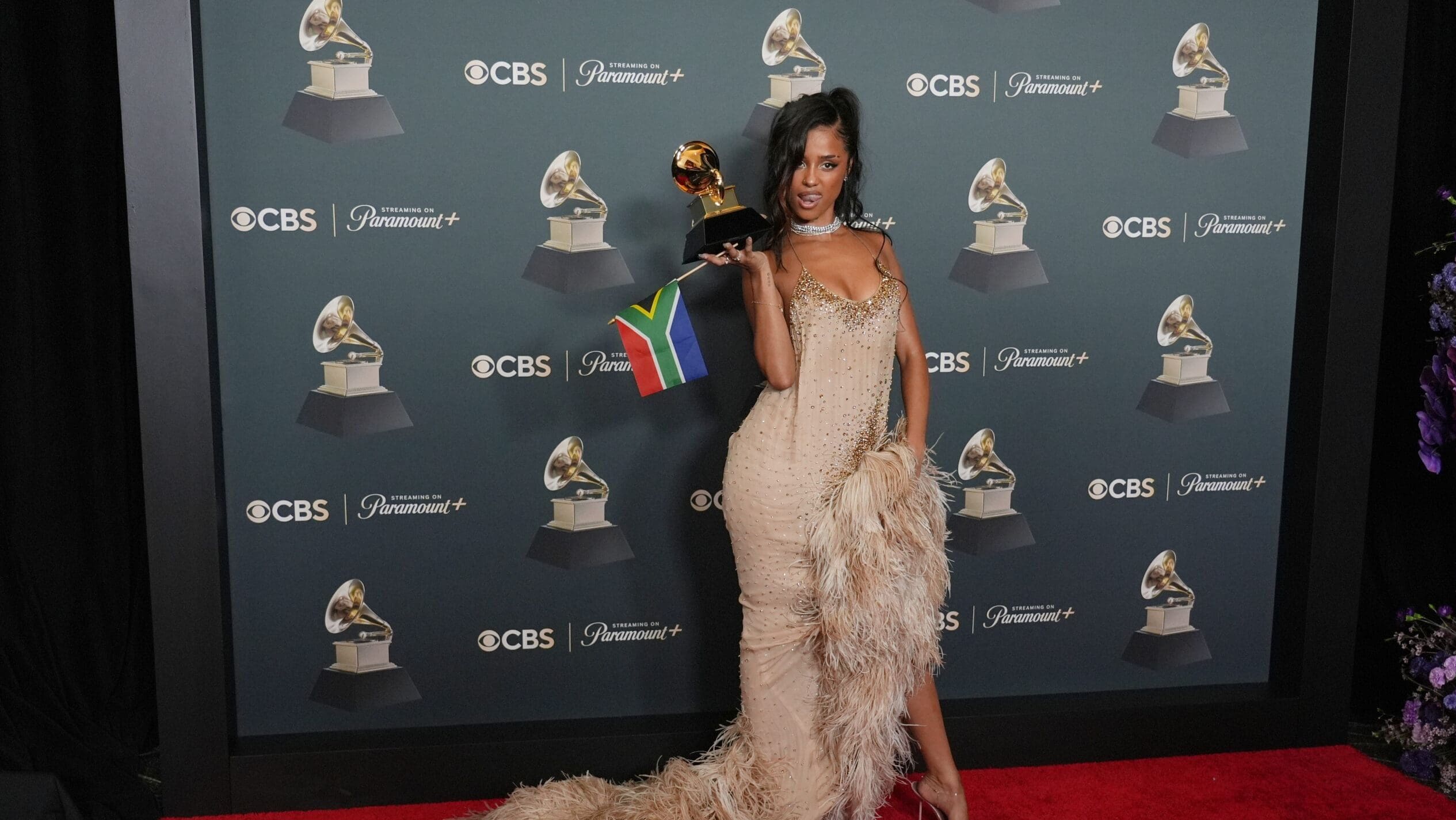
South African superstar Tyla made history again at the 68th Grammy Awards, winning Best African Music Performance for the second time. The category was only introduced in 2024, and Tyla was its first-ever winner. This year, she took the prize for Push 2 Start from her self-titled debut album, which has racked up more than 136 million views on YouTube as of February 2026.
It’s a huge moment for Tyla — and for South Africa. But it also exposed an uncomfortable truth about how the Grammys still see African music.
Because while Tyla won, her victory didn’t make it onto the main Grammy broadcast.
Instead, the award was announced during the premiere ceremony — the pre-televised event where most categories are quietly handed out. For an award supposedly designed to celebrate the African continent, that sidelining didn’t go unnoticed.
Backstage, Tyla summed it up bluntly: “I’m so mad. Like, I almost made it.”
So what is this award, anyway?
The Best African Music Performance category was first presented at the 2024 Grammys. It sits in the global genre field and was created, according to the Recording Academy, to reflect their “commitment to actively listen and respond to the feedback from our music community, accurately represent a diverse range of relevant musical genres, and stay aligned with the ever-evolving musical landscape.”
The Grammys have said the category responds to the explosive global growth of African music, pointing to artists like Burna Boy, Davido, Tems, Wizkid, Rema, CKay, Zakes Bantwini, Nomcebo Zikode and others.
On paper, that sounds like progress.
In practice, it’s a lot messier.
Why critics say the category misses the point
This year, Tyla beat out Burna Boy, Davido, Ayra Starr and Eddy Kenzo for the award. Last year, Tems won. Across the past three ceremonies, nominees have largely come from two countries: Nigeria and South Africa — the continent’s biggest commercial music hubs.
The problem isn’t who’s winning. It’s how the category works.
By lumping together artists from wildly different genres — pop, R&B, Afrobeats, amapiano, soul and more — the Grammys are effectively forcing African musicians to compete against each other in a single, catch-all category. That doesn’t happen to American or European artists.
Culture commentator and Recording Academy member Joey Akan has been blunt about this. African artists, he argues, aren’t asking for a special category to be housed in. They’re asking to be treated as equals — eligible for the biggest awards on the biggest stages.
As Akan put it in 2023, the category risks becoming a way to say: “Let Africans fight themselves there, and leave the major spaces, even if we are qualified for bigger honours. Further cheapening our flight.”
If the Grammys are truly interested in being a global and not just an American organization, there should be more than one category for recognizing African-styled music.
— Mówùnmí (@molarah26) February 2, 2026
Tyla’s win is well deserved. But she is a pop artist. That category shouldn’t be reserved for Americans only
“African music” is not one thing
Africa has 52 countries, thousands of languages, and countless musical traditions. Yet the Grammys’ approach flattens that complexity into a single label.
The category claims to recognise subgenres including Afrobeats, afro-fusion, alté, amapiano, genge, fuji, Ghanaian drill, afro-house, South African hip-hop and ethio-jazz. But in reality, nominations have skewed heavily toward the most globally marketable sounds.
Grammy-winning producer Ian Brennan has pointed out that, despite Africa’s linguistic diversity, nominated songs are almost always fully or partially in English, reinforcing which sounds are deemed exportable.
As Dennis Ade Peter of OkayAfrica put it: African music is far more than Afrobeats. Treating it otherwise is a missed opportunity.
Why this actually matters
This isn’t just about awards night optics.
When global institutions like the Grammys define African music narrowly, it shapes:
- what international audiences think African music sounds like,
- which artists get investment, promotion and visibility,
- and who is considered “mainstream” versus “niche.”
That has real consequences for careers — and for how African creativity is valued globally.
Tuma Basa, YouTube’s director of music culture, has said the current recognition is “overdue,” not a trend. And that’s exactly the point. African music doesn’t need a box — it needs equal footing.
@explain.co.za From celebrating Tyla’s Grammy win to the treatment of African artists at the world’s biggest music celebration being questioned, we break it all down… Full story at explain.co.za. #Tyla #Grammys #BestAfricanMusicPerformance #SouthAfrica #MusicAwards #explaincoza #explainedsaywhat #explainer #news #nigeria #burnaboy #ayastarr #Music #TruthorDare #fyp #PushToStart #GrammyAwards #RecordingAcademy #Davido #OmahLay #EddyKenzo #MehranMatin #Wizkid #Jersumalema #Tems #OkayAfrica #afrobeats #PopMusic #amapiano #diversity #representation #equality #youtube #tiktok #southafricanmusic #afrofusion #nigerianmusic #badbunny #africanartists #africanmusic #joeyakan #NomceboZikode
♬ original sound – /explain/
The bottom line
For Tyla and for South Africans, this Grammy is a genuine win. It’s historic, deserved, and worth celebrating.
But it also exposes a deeper problem: recognition without equality isn’t progress.
If the Grammys are serious about celebrating African music, the answer isn’t a single, sidelined category. It’s letting African artists compete — and win — across the main stage, without qualifiers.