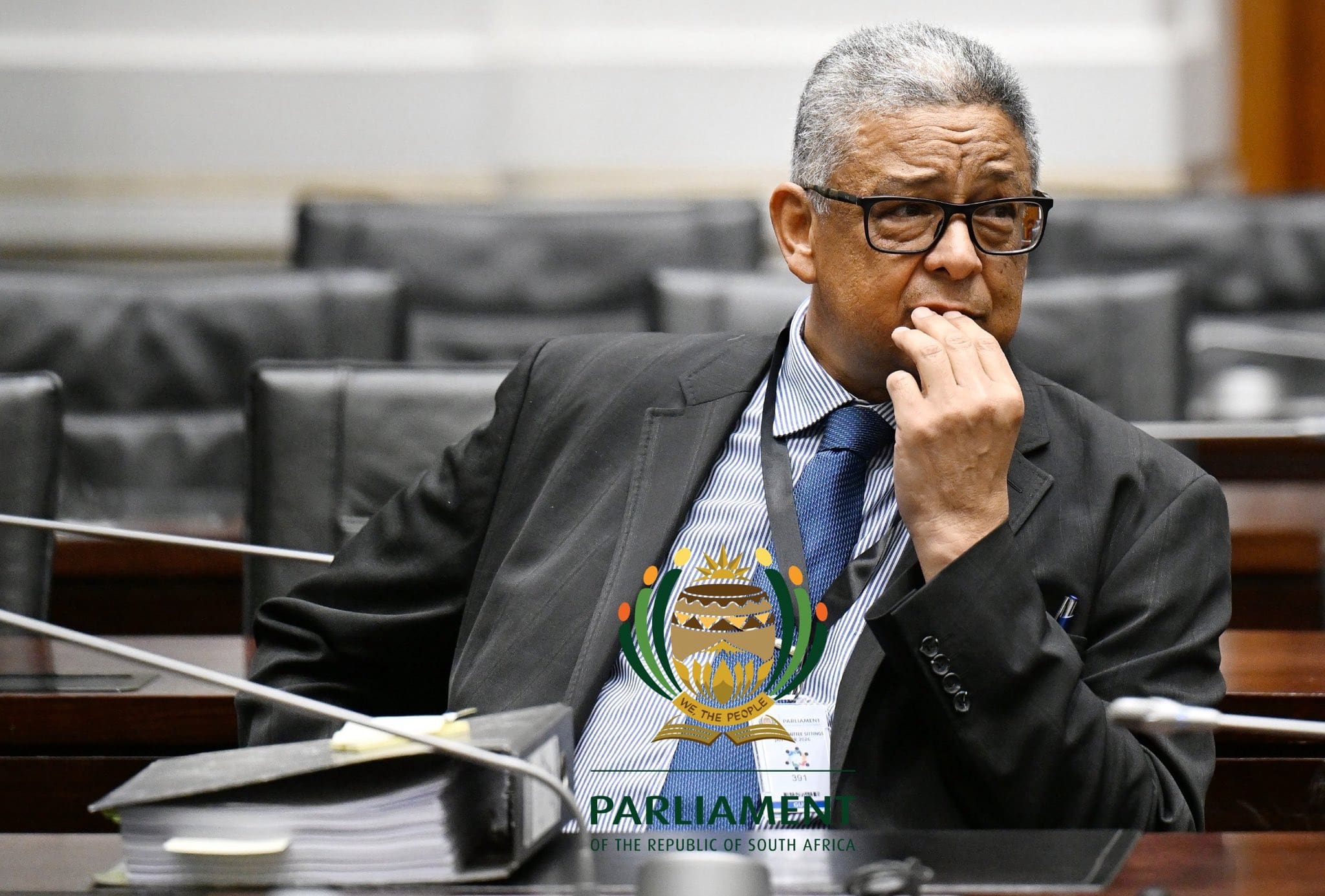
Former head of the Independent Police Investigative Directorate (IPID), Robert McBride, has thrown down a series of bombshells in Parliament this week, at the ad hoc committee probing corruption and interference in South Africa’s police and justice systems (remember the one running alongside the Madlanga Commission last year?).
Here’s what you need to know:
Who’s who?
🟠Robert McBride: Former head of IPID, the agency responsible for investigating police misconduct and corruption and currently head of the Foreign Branch of the State Security Agency. He is a polarising figure: supporters view him as a struggle hero and advocate for accountability in policing and intelligence, while critics point to his controversial decisions at IPID.
🟠Paul O’Sullivan: A controversial forensic investigator and former intelligence operative who has been involved in investigating corruption within the police.
🟠Khomotso Phahlane: Former acting National Commissioner of the South African Police Service (SAPS). He’s been accused of corruption, including alleged benefits from SAPS procurement contracts and luxury perks, accusations he says were driven by political vendettas.
🟠Lieutenant-General Nhlanhla Mkhwanazi: Senior police officer in KwaZulu-Natal — and crucially, the original whistleblower whose explosive press conference last year triggered this entire saga.
🟠Cedric Nkabinde: Former Chief of Staff in SAPS. Nkabinde is currently facing a criminal perjury case for providing false evidence under oath in the same ad hoc committee last year.
In his testimony, McBride noted three big things:
🔹He claimed Phahlane, Mkhwanazi, and Nkabinde could not be trusted and had interfered with investigations into police misconduct. He said Mkhwanazi tried to block investigations and influence appointments, and that Nkabinde lived a lifestyle far beyond what his official salary could explain. McBride said Nkabinde was “a questionable character, who is driven by greed” referring to whistleblower complaints and questionable financial behaviour.
🔹He defended O’Sullivan. Some critics have said O’Sullivan had too much control over investigations into senior police figures. McBride said O’Sullivan was simply providing evidence and guidance, not running the investigations.
🔹He highlighted, like many other witnesses, systemic problems in policing and a system where political and personal influence can interfere with accountability.
Why it matters
Mkhwanazi was previously seen as a hero — the whistleblower whose public allegations last year about political meddling in SAPS kick-started parliamentary scrutiny. For McBride to now accuse him of interference could mark a dramatic reversal.
If it’s getting harder to sort out the good from the bad guys, we don’t blame you. The parliamentary committee will continue examining evidence, and the outcomes could shape the way South Africa polices itself in the future.